2026 Exterior Siding Ideas: A Definitive Guide to Materials & Design
Selecting the exterior envelope for a residential property is a decision that sits at the intersection of civil engineering and architectural expression. In the United States, where climates range from the subarctic conditions of the Northeast to the high-UV, arid environments of the Southwest, siding is the primary defensive barrier against the elements. It is the building’s first line of defense against bulk water, wind-driven rain, and the slow degradation caused by solar radiation. Exterior Siding Ideas. Far more than a cosmetic choice, the right siding system preserves the structural integrity of the home’s framing and insulation.
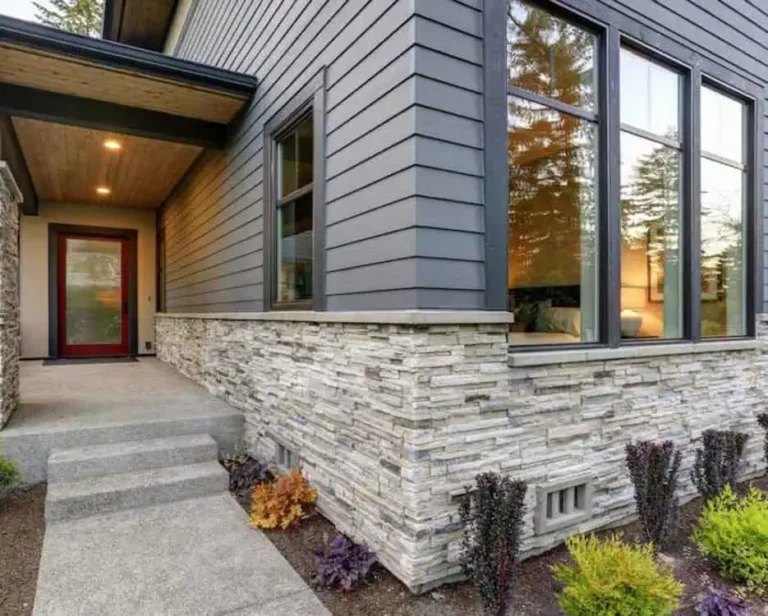
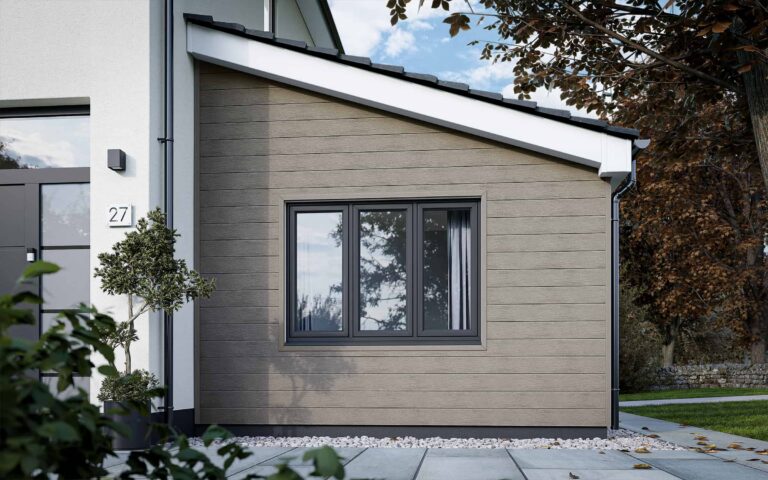
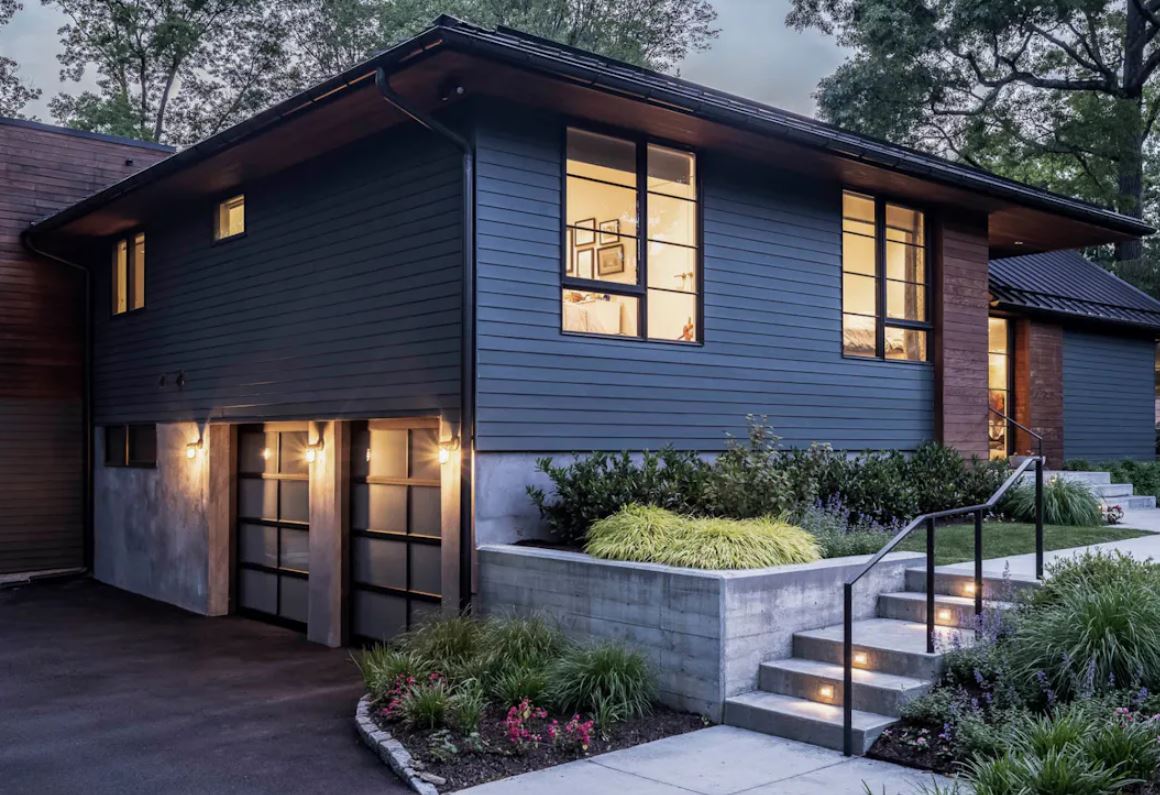
The modern residential market in 2026 has moved away from the monolithic siding choices of the late 20th century. Where neighborhoods once featured uniform rows of horizontal vinyl, we now see a sophisticated “mixed-media” approach. Architects and homeowners are increasingly layering materials—pairing fiber cement with natural stone or combining dark metal panels with warm wood accents—to create visual depth and satisfy stringent energy codes. This shift reflects a growing understanding of the “building envelope” as a performance-driven system rather than just a decorative shell.
Navigating the vast array of options requires an analytical lens. One must account for the initial capital expenditure, the anticipated maintenance cycles, and the specific moisture-management requirements of the local geography. A failure to account for these variables often leads to “unintended consequences,” such as trapped moisture, rot, or the premature failure of the aesthetic finish. This guide serves as a technical and strategic framework for evaluating the most durable and visually impactful configurations currently available.
Understanding “exterior siding ideas”
To effectively explore exterior siding ideas, one must move beyond the “Pinterest-level” superficiality of color and texture. A sophisticated exterior plan treats the cladding as part of a three-dimensional assembly including the water-resistive barrier (WRB), flashing details, and potentially a rainscreen gap. The common misunderstanding is that siding is meant to be a waterproof seal. In reality, modern building science acknowledges that siding will eventually leak; the “idea” is to design a system that allows the wall to drain and dry without compromising the structure.
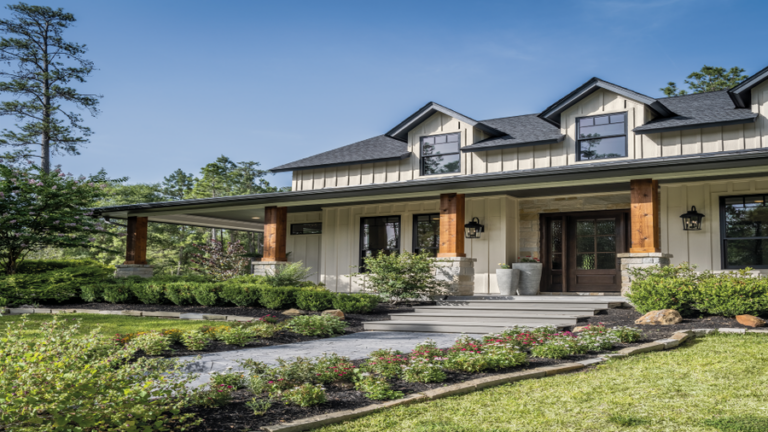
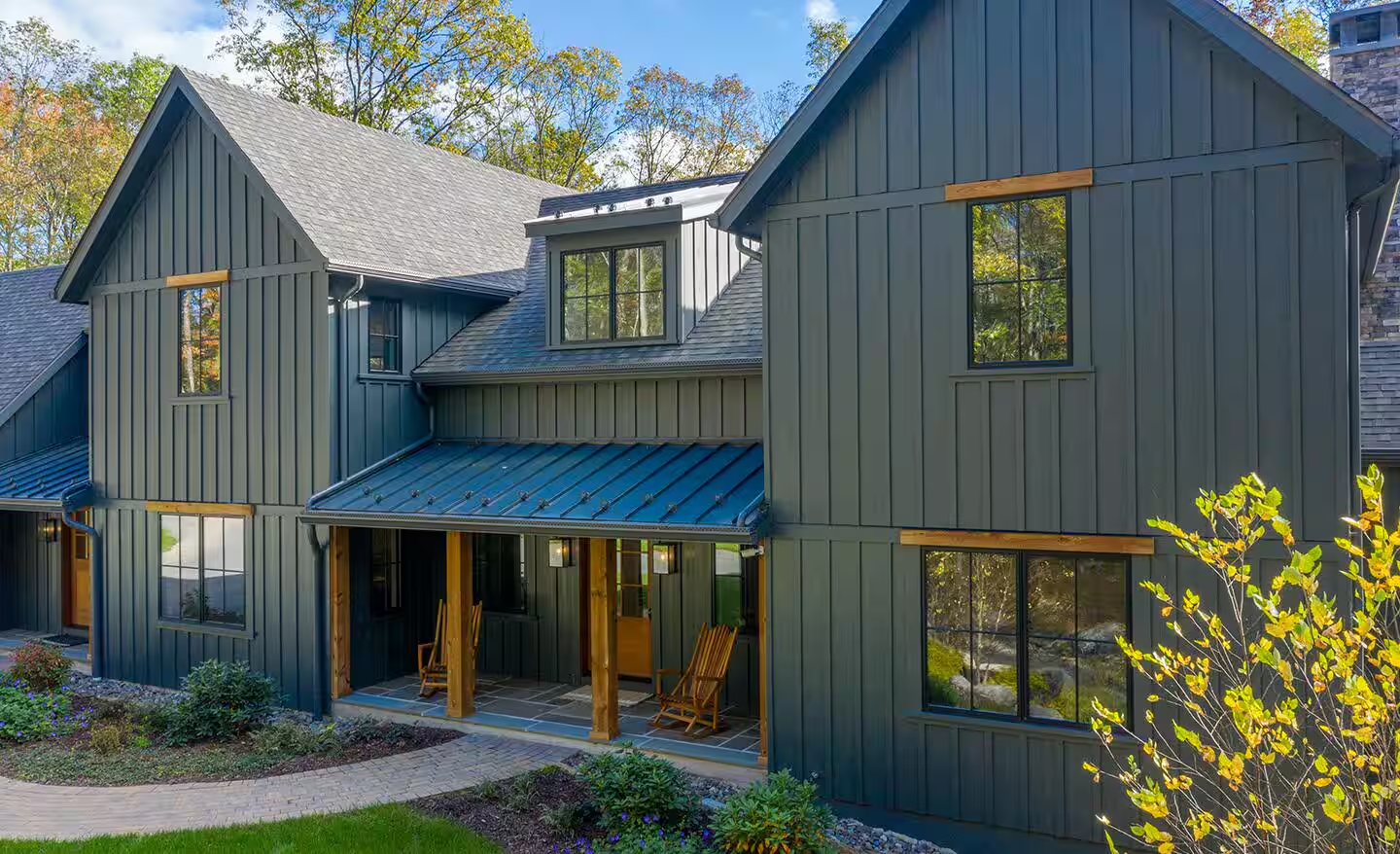
Oversimplification in this sector often results in a “one-size-fits-all” mentality. For instance, the popular “Modern Farmhouse” look—characterized by white board-and-batten—is frequently executed using materials that may not be suited for high-humidity environments without a dedicated air gap. A truly successful siding idea is one that reconciles the aesthetic desire with the physical limitations of the site. It involves a multi-perspective evaluation: How does the material handle thermal expansion? What is its fire rating? How does it interact with existing window and door flashings?
Furthermore, the concept of “ideas” in 2026 includes the integration of technology and sustainability. We are seeing a rise in “biophilic” designs that use recycled polymers to mimic the erratic, natural grain of old-growth timber. Planning an exterior today is about balancing these high-tech innovations with the timeless principles of moisture shedding and gravity-based drainage.
The Evolution of the American Building Envelope
Historically, siding was a localized commodity. Early American homes utilized what was abundant: white pine in the North, cypress in the South, and stone in the Mid-Atlantic. These materials were “breathable” because the houses themselves were drafty; the lack of insulation allowed for massive drying potential. As we moved into the post-war era, the introduction of aluminum and later vinyl siding revolutionized the market by promising a “maintenance-free” lifestyle.
However, the 1970s energy crisis brought about the “tight” house. We began packing walls with fiberglass insulation and wrapping them in plastic. This reduced energy costs but created a “moisture trap.” The modern evolution of siding—specifically the rise of fiber cement and engineered wood—is a direct response to the need for materials that look like traditional wood but possess the dimensional stability and rot resistance required for these highly insulated, low-drying-potential wall cavities. Today’s top exterior siding ideas are those that solve this technical paradox.
Conceptual Frameworks for Cladding Selection
Before selecting a material, professional designers utilize several mental models to filter their options:
-
The 4-D Model of Moisture Management: This framework evaluates a siding idea based on its ability to provide Deflection (shedding water), Drainage (allowing water that gets behind it to exit), Drying (allowing vapor to escape), and Durability (resisting damage from UV and impact).
-
The “Neighborhood Vernacular” Filter: This model weighs the desire for unique expression against the risk of “over-improving” or creating an architectural outlier that negatively impacts resale value.
-
The Lifecycle Cost Matrix: This weighs the low initial cost of vinyl against the high-frequency replacement risk, versus the high initial cost of masonry with its 100-year lifespan.
Material Taxonomies: Performance and Trade-offs
The diversity of modern materials allows for a highly customized approach to home exteriors. Each category serves a specific functional niche.
| Material | Aesthetic Profile | Expected Lifespan | Maintenance Intensity | Best Climate |
| Fiber Cement | Versatile (Plank/Panel) | 30–50 Years | Moderate (Repaint) | All Climates |
| Engineered Wood | Natural Grain | 20–40 Years | Moderate | Cold/Dry |
| Vinyl (Insulated) | Clean/Modern | 20–30 Years | Very Low | Temperate |
| Metal (Steel/Alu) | Industrial/Sleek | 40–70 Years | Very Low | Coastal/Wildfire |
| Natural Stone | Timeless/Heavy | 100+ Years | Low | All Climates |
| Composite/Polymer | Ultra-Realistic Wood | 25–50 Years | Low | High Humidity |
Realistic Decision Logic
If the priority is fire resistance in a Western state, metal or fiber cement are the primary candidates. If the priority is budget-conscious energy efficiency, insulated vinyl offers the highest “R-value” per dollar spent. For those prioritizing long-term asset value, natural brick or stone remains the undisputed leader in appraisal premiums.
Real-World Execution Scenarios Exterior Siding Ideas
Scenario 1: The High-Performance Coastal Retrofit
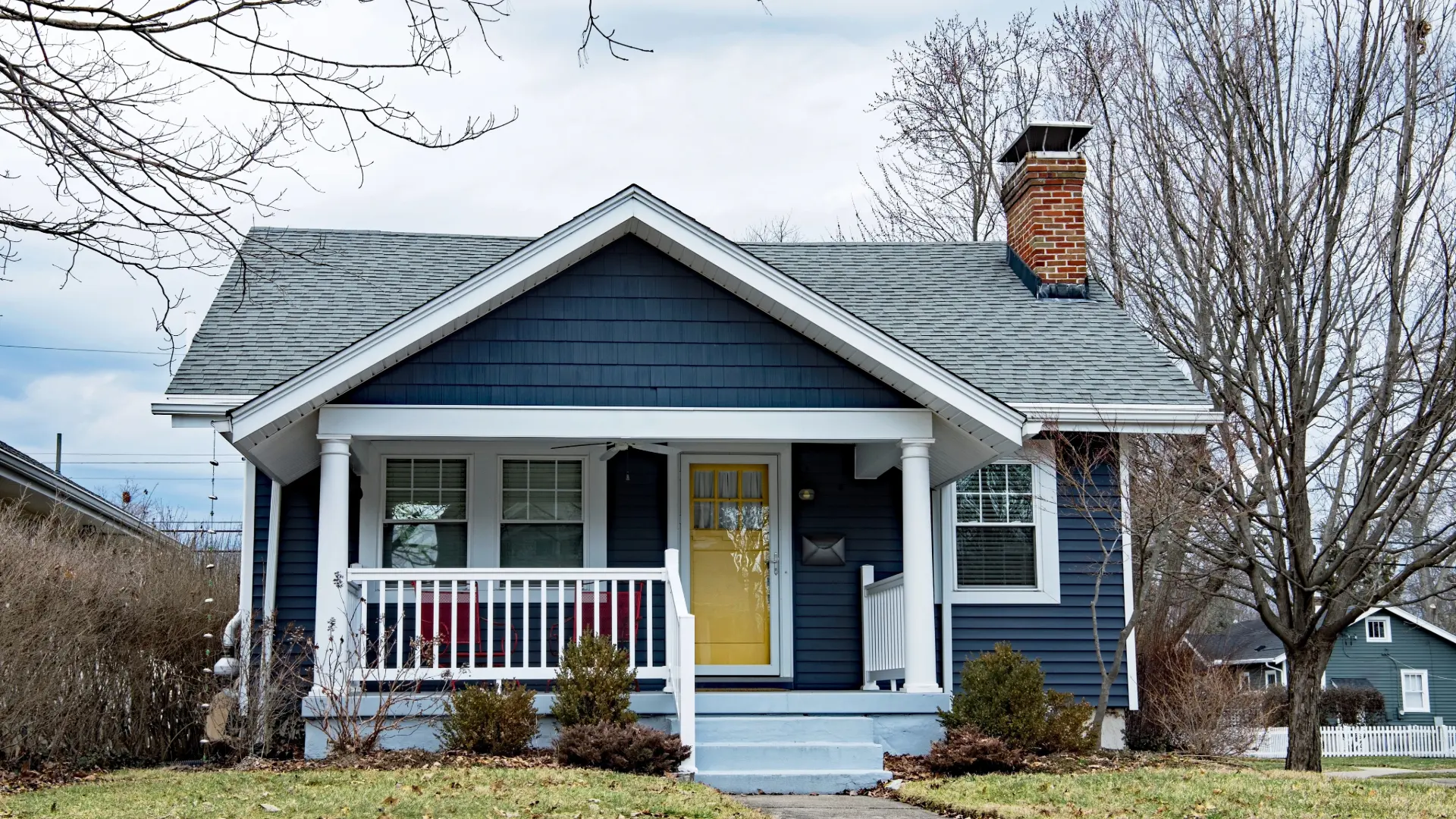
A 1980s beach house suffers from salt-air corrosion of its original wood siding.
-
The Idea: Replacing the wood with a high-performance “Rainscreen” system using fiber cement panels and stainless steel fasteners.
-
The Critical Detail: The “gap” created by the rainscreen allows salt spray that bypasses the panels to be washed away by condensation, preventing it from reaching the sheathing.
Scenario 2: The Modern Farmhouse Transformation
An suburban ranch is being updated to the current “Modern Farmhouse” trend.
-
The Idea: Using vertical board-and-batten siding in a matte black finish.
-
The Failure Mode to Avoid: Using standard wood battens that may warp. Instead, the plan utilizes engineered wood or fiber cement battens for perfect verticality and better paint adhesion.
Resource Dynamics: Cost and Timing
Planning a siding project requires a granular understanding of the cost drivers. In 2026, labor costs have outpaced material inflation, making “install-friendly” materials more attractive.
| Cost Element | Range (per Sq. Ft. Installed) | Notes |
| Basic Vinyl | $5.50 – $9.00 | High speed, low skill requirement. |
| Fiber Cement | $10.00 – $16.00 | Requires specialized cutting tools. |
| Engineered Wood | $9.00 – $14.00 | Lighter than fiber cement; faster install. |
| Metal Siding | $15.00 – $25.00 | High material cost; specialized labor. |
| Stone Veneer | $25.00 – $45.00 | Significant structural load considerations. |
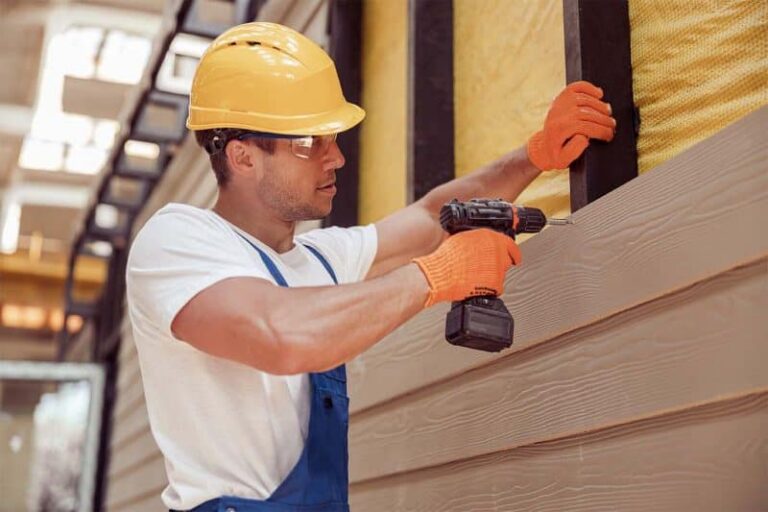
Opportunity Cost: Choosing the lowest-cost installer for fiber cement often leads to “blind-nailing” errors where nails are driven too deep, voiding the 30-year manufacturer warranty. The $2,000 “savings” on labor can result in a total loss of the product warranty.
Support Systems for Installation Quality
Modern exterior siding ideas are only as good as the systems that support them. Consider these essential components:
-
Drainable House Wrap: A WRB with built-in spacers that create a 1mm drainage path, essential for fiber cement.
-
Kick-out Flashing: A small but critical piece of metal that diverts roof runoff away from the wall-to-roof intersection.
-
Color-Matched Coil Stock: Aluminum sheets used to “wrap” window and door trim, creating a seamless, maintenance-free look.
-
Oscillating Multi-tools: Essential for making precision “plunge cuts” around existing utilities and vents without cracking the siding.
-
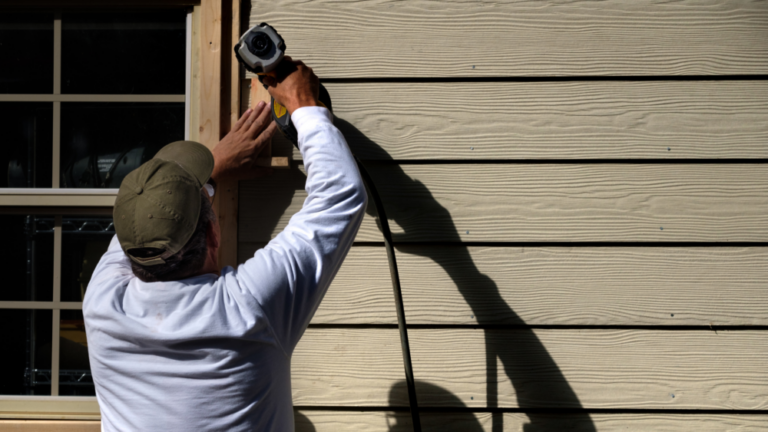
Pneumatic Siding Nailers: Specifically calibrated to leave nail heads flush with the surface, preventing the “dimpling” that occurs with standard framing nailers.
The Risk Landscape: Failure Modes and Resilience
The most common structural failure in siding projects is not the material itself, but the integration with other systems.
-
The Capillary Trap: Siding that is installed in direct contact with a roof surface or soil. This allows water to be “sucked” up into the material, leading to delamination.
-
Thermal Bridging: Neglecting to add a layer of rigid foam insulation during a siding tear-off. This misses a once-in-a-generation opportunity to stop heat loss through the wall studs.
-
Galvanic Corrosion: Using aluminum flashing in contact with pressure-treated wood or copper pipes, which causes the metal to dissolve over time.
Governance and Long-Term Maintenance
Even the most advanced siding requires a governance structure to prevent minor issues from becoming catastrophic failures.
The Maintenance Lifecycle
-
Annual: A simple low-pressure wash to remove organic growth (mildew/algae) which can trap moisture against the finish.
-
Every 3 Years: Inspection of the sealant (caulk) around windows and doors. Modern siliconized urethanes last longer but still fail eventually.
-
Every 7–10 Years: For painted products, a professional “re-coat” is necessary to maintain the UV-protection layer.
Measurement and Tracking of Exterior Health
How does a property owner evaluate the success of their exterior over time?
-
Thermal Imaging: A winter-time scan of the exterior can reveal “cold spots” where insulation was displaced during the siding installation.
-
Moisture Probes: Occasional checks of the moisture content of the sheathing at known “weak points” (like the base of window corners).
-
Visual “Shading” Analysis: Observing the siding during a rainstorm to see if water is “ponding” on trim surfaces or flowing smoothly to the ground.
Common Misconceptions and Myths
-
Myth: “Vinyl siding is maintenance-free.” Correction: It requires cleaning to prevent mold and is susceptible to impact damage.
-
Myth: “You can side over your old wood siding to save money.” Correction: This creates a “moisture sandwich” and makes proper window flashing impossible.
-
Myth: “Dark siding will melt in the sun.” Correction: Modern “cool-roof” pigment technology allows for dark colors that reflect a significant portion of the solar spectrum, preventing warping.
Conclusion
The selection of a home’s exterior is a long-term commitment to the protection and performance of the structure. The most effective exterior siding ideas are those that do not merely follow current aesthetic trends but are grounded in the principles of building science and regional suitability. By viewing the siding as a dynamic system—one that manages water, air, and heat—property owners can ensure that their investment provides both immediate curb appeal and long-term structural security. In the end, the best siding is the one that you can rely on to perform silently, year after year, regardless of the weather.